
Qodly Studio in action with a new demo

November 23, 2023
2 min read

In this previous blogpost, we provided some demos to help you starting with Qodly Studio.
As promised, we keep providing demos. Here is the latest PIQS (short for Play In Qodly Studio)
PIQS: Entity selection & collection
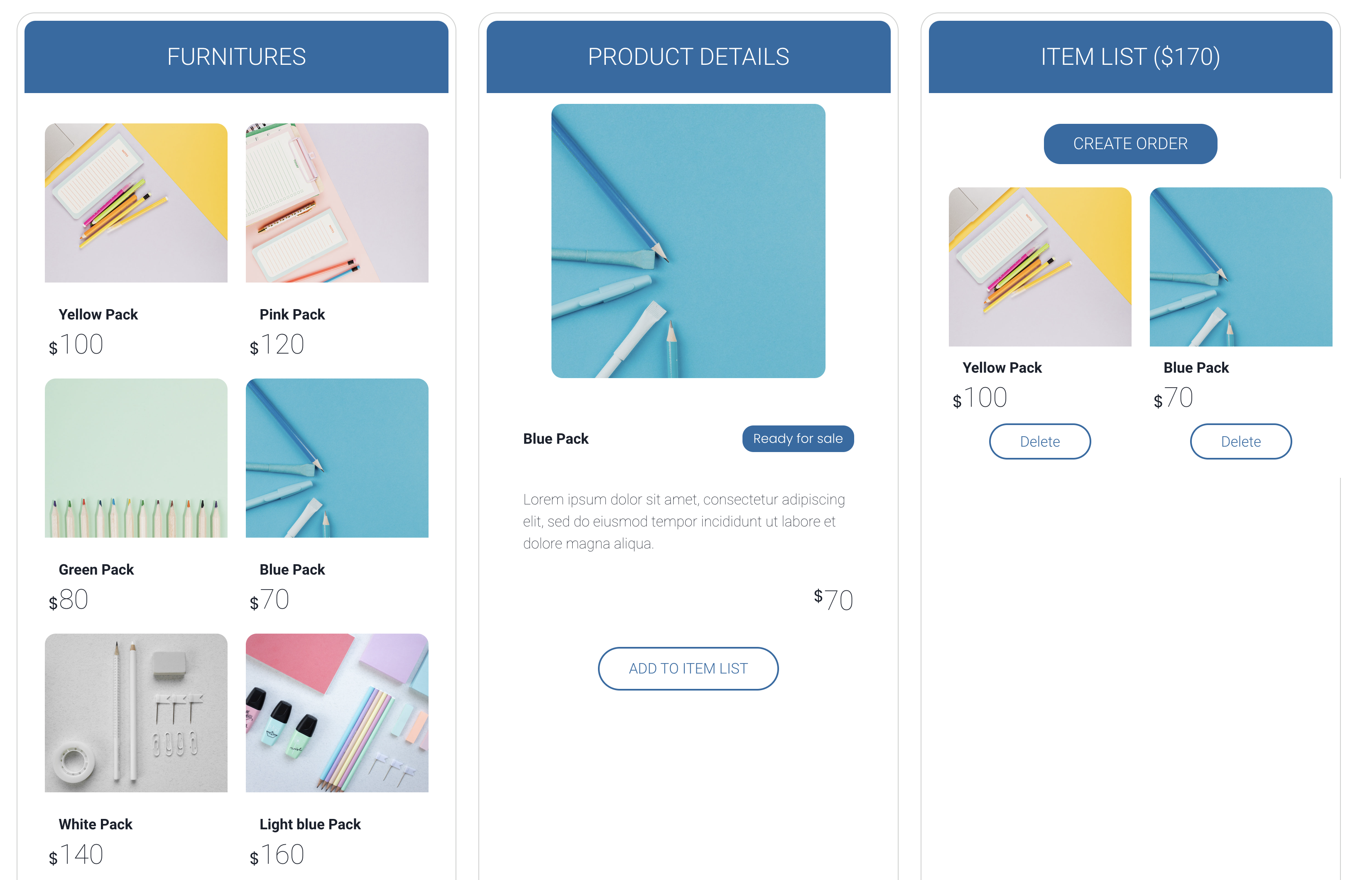
Thanks to this demo, you’ll get a smart design and the associated 4D code to handle a product cart. This use case is quite common in B2B context where a given actor has to order products to have them in stock.
In this demo you will see how to:
Bonus: these examples are done using entity selections but also collections. Indeed Qodly Studio supports both datatypes: they both can be displayed in a datatable or with a matrix component. Isn’t that great?
Save time by re-using this pattern in your first Qodly app!
We’ll continue providing such demos for current and upcoming Qodly features. Stay tuned!
Reminder – to use this demo:
Got a question, suggestion or just want to get in touch with the 4D bloggers? Drop us a line!
* Your privacy is very important to us. Please click here to view our Policy
Comments are not currently available for this post.