
ORDA – Say Hello to Aliases
4D v19 R4 is shipped with a new ORDA concept: Aliases. They are the logical and complementary continuation of computed attributes. This blog post exp...

January 12, 2022
1 min read

4D v19 R4 is shipped with a new ORDA concept: Aliases. They are the logical and complementary continuation of computed attributes. This blog post exp...

Classes were introduced with 4D v18 R3. They allow you to organize your business logic and separate it from the UI part more quickly. Classes are com...

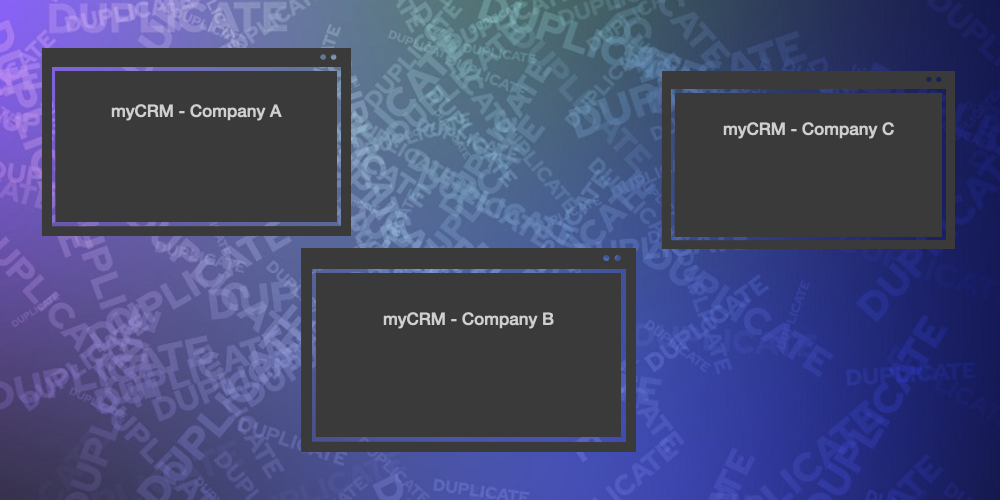
As a publisher, you sometimes want to duplicate a merged client application to connect each of them to their dedicated 4D Server. Let's see how to do ...


At 4D, we take customer requests very seriously! In previous meetings, customers showed great interest in supporting high-resolution displays, such a...


We are pleased to announce that a new version of 4D is available with new features for 4D for iOS and 4D for Android. Without further ado, let's dive ...

DirectWrite is the modern text rendering API on Windows. It improves text readability thanks to its subpixel quality, and is fully compatible with the...

You have made your first application with 4D for Android. Congratulations! After visualizing the simulator's result, you want to test it on your smar...
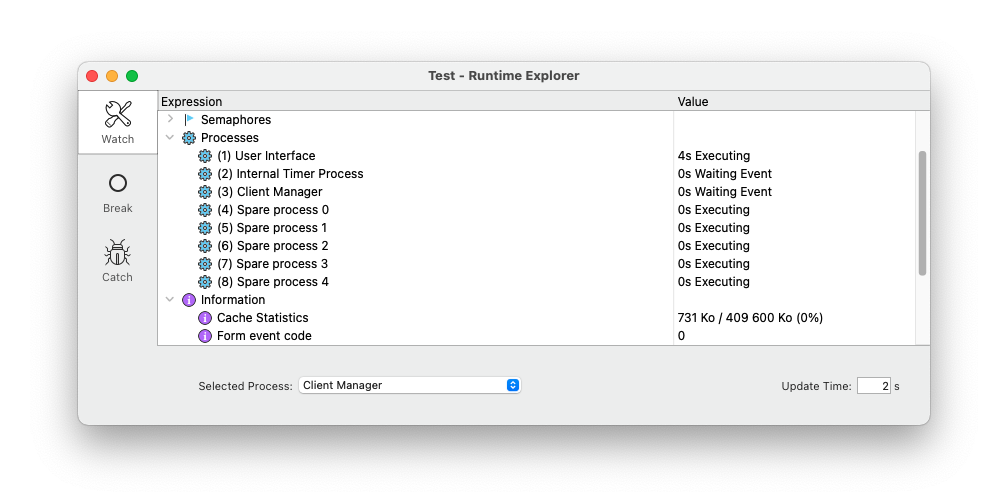
The Runtime Explorer is accessible to users belonging to the group having access to Design mode. Let’s see how to use it another way. ...

Since 4D v19, you can create applications on macOS that support dark mode, so you can match your users' taste by giving them the possibility to choose...
Default End Of Line character and Byte Order Mark usage in text files have been modified in 4D v19 R2. With 4D v19 R3, 4D extends this behavior to XML...
Got a question, suggestion or just want to get in touch with the 4D bloggers? Drop us a line!
* Your privacy is very important to us. Please click here to view our Policy