
Forget server-side wrappers, use 4D Sessions from the client
Enhance your end users' experience in client-server applications by taking advantage of 4D sessions. Native and automatically created as soon as a use...

April 30, 2026
1 min read
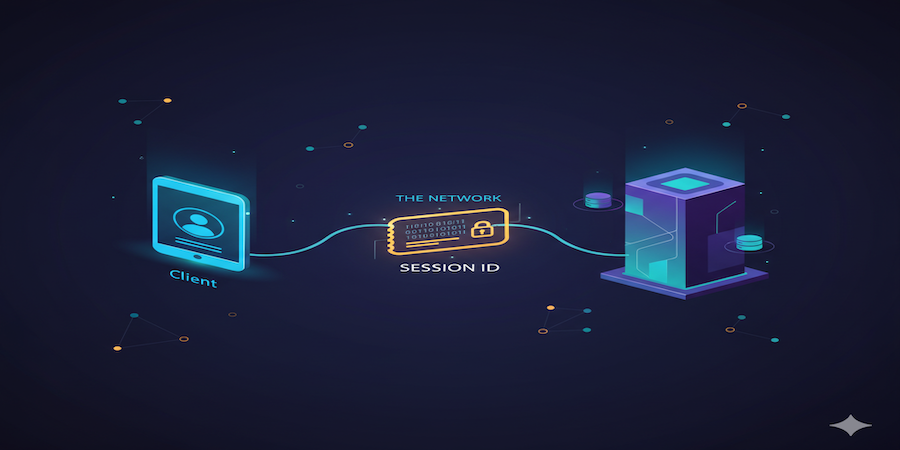
Enhance your end users' experience in client-server applications by taking advantage of 4D sessions. Native and automatically created as soon as a use...

In client-server mode, your logic often requires resources hosted on the server. To run code on the server, you are used to writing dedicated project ...

In this previous blog post, you discovered that ORDA entities can now have a constructor, allowing entity instantiation to follow a complete object-or...

Managing processes and sessions is essential for optimizing and monitoring your 4D applications. You can easily manipulate and retrieve crucial inform...


You can store information in the storage of various session types, such as Client/Server, Web, or Mobile, allowing for easy reuse across different pro...

In 4D applications, four types of sessions exist 4D Remote session, Stored Procedure session, Mobile session, and Web session. The Session command al...

This new feature improves the local resources management of 4D Client merged applications executed with Windows Remote Desktop Services. Lets’ see how...

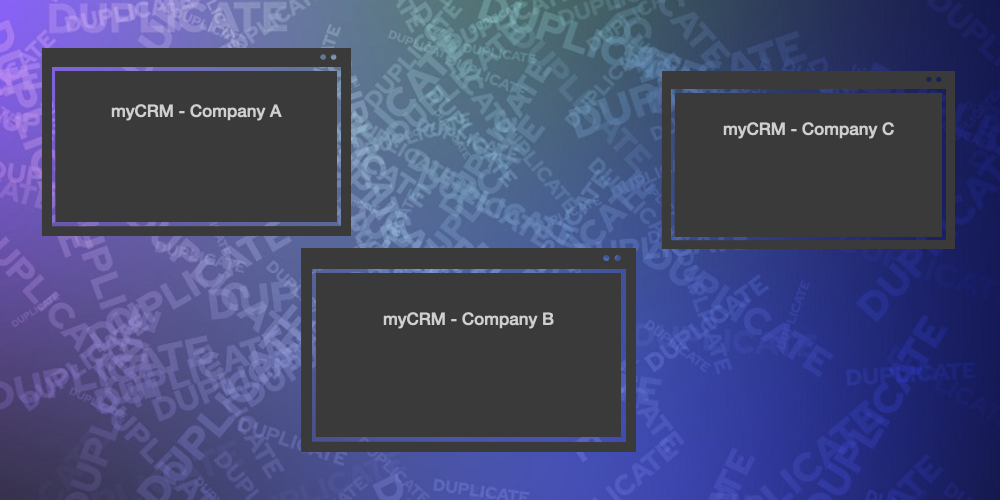
As a publisher, you sometimes want to duplicate a merged client application to connect each of them to their dedicated 4D Server. Let's see how to do ...

To prevent session loss, 4D monitors the sleeping state of remote 4D applications. When a user is connected from a remote 4D application to a 4D Serv...
There may be times when you might need users to connect to many instances of the same merged server application. When this happens, the merged client ...
Got a question, suggestion or just want to get in touch with the 4D bloggers? Drop us a line!
* Your privacy is very important to us. Please click here to view our Policy