


Search records with matching object attributes in selection
4D v16 is providing you with an enhanced integration of object fields in your database.
If you have already pre-selected sets of an object field, you can now query these sets using only one 4D command: easy and fast!
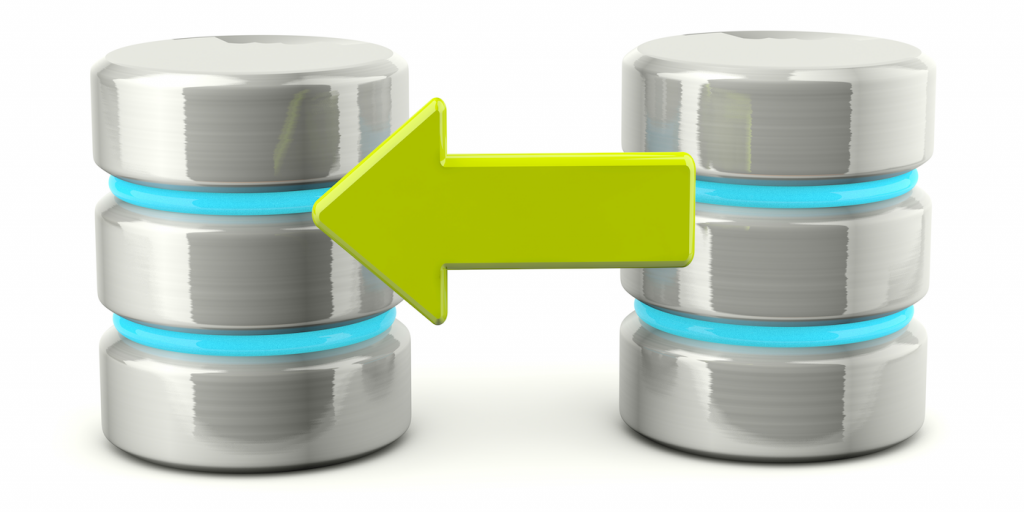
Database mirroring
When integrating the log file, 4D stops at the first error and doesn’t return any error message. Reasons for integration errors could be a damaged log, by example because of a bad hard disk or software error during writing. If that error happens at the end, no problem; but it could also be at the start or in the middle of the log. In this case, the data after the error might be useful.
Now, when the integration fails in standard mode, you can try integration in auto-repair mode. In this case, 4D tries to resolve the error encountered, doesn’t stop the integration, and returns the error list.

JSON export for Journal
In 4D applications, the data file is important, so all the activity of the database is stored in the log file. As you all know, the log file is a vital element for the restoration of your database following an unfortunate contingency. However all the information on the database activity may also be useful for analysis. For example, to check the activity on a table, to see the changes made by a user, and to follow a record’s history.

Suspend and Resume transaction
This feature is useful when you need to perform, from within a transaction, certain operations that do not need to be executed under the control of this transaction.


Report duplicates in unique fields
In 4D v15 R3, the way to detect duplicates in fields declared as unique has been enhanced so that users have a mean to know which are the offending fields.
What’s new? All the offending fields are now displayed in an error message or in the log.
Duplicates can be reported through 2 different ways:
- when 4D needs to create indexes on a database with offending fields.
- during an MSC Verify scan.

Avoid the “Select data file” dialog to show up for a new deployed app
When you deploy an application to your customer, either a merged 4D Server or Single User application, 4D usually opens the “Select data file” dialog. This happens because for an updated solution 4D cannot find the position of the last used data file, as you just replaced the old structure. And for a first time usage, 4D does not know where you would like to create the data file – so it asks for the location.
This dialog, as the very first interaction with your application, might be confusing for the customer. And the verification for the data file happens before the On Startup is executed, before your code has a chance to select another file. To avoid this, 4D v15 introduces a new feature, named Default Data.
Contact us
Got a question, suggestion or just want to get in touch with the 4D bloggers? Drop us a line!
* Your privacy is very important to us. Please click here to view our Policy