
How to share your 4D code via Github
So you’ve been testing out project databases ... maybe you've created one or perhaps you've converted an existing binary application. Now, it’s time f...

December 18, 2019
1 min read
Build better 4D applications with practical patterns and technical deep dives from our blog.
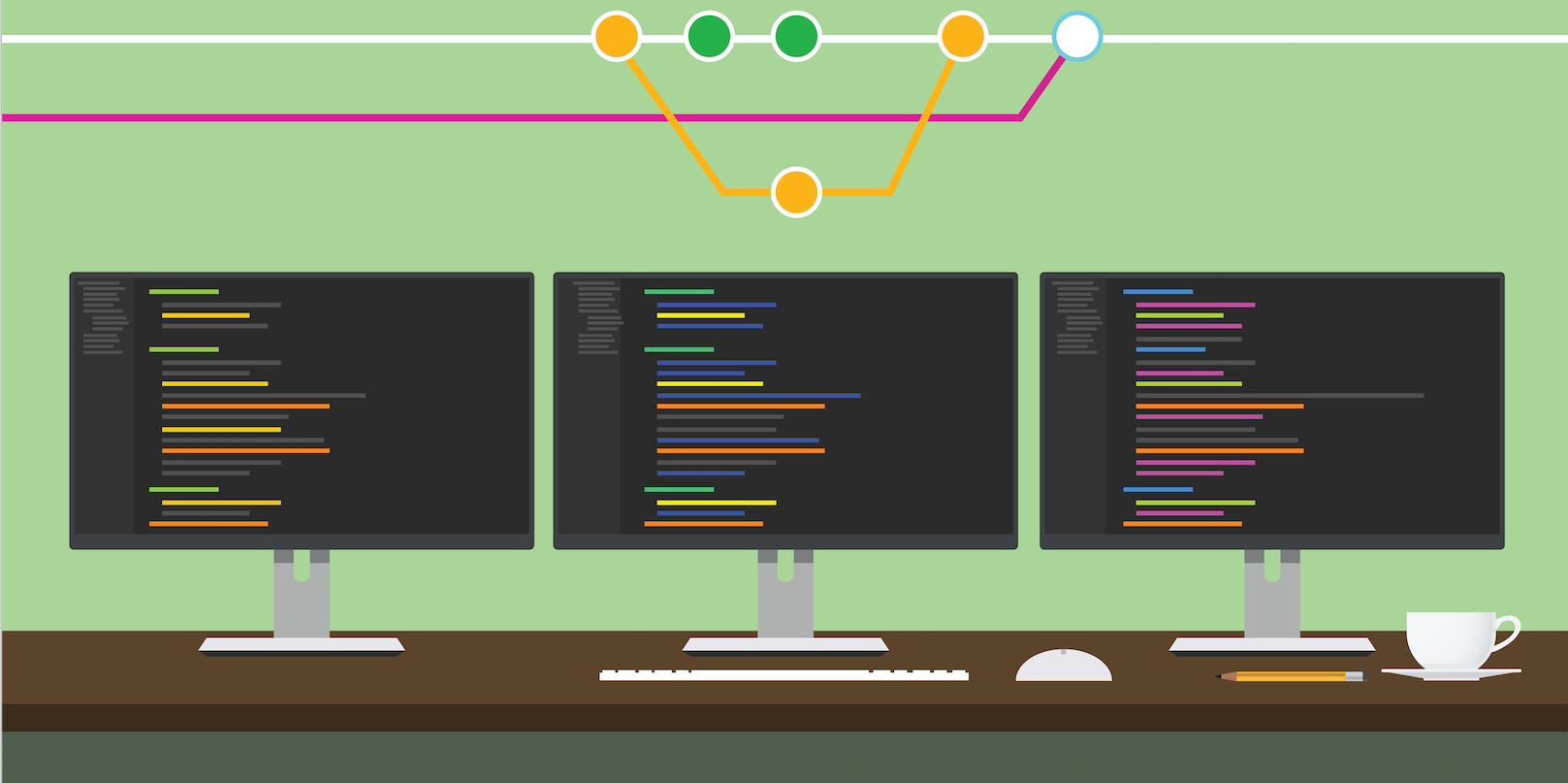
So you’ve been testing out project databases ... maybe you've created one or perhaps you've converted an existing binary application. Now, it’s time f...

PROCESS 4D TAGS has been enhanced with each 4D version and the latest additions as 4DCODE have drastically increased the use cases. What was previousl...


Adding a block of comments at the beginning of a method is useful for adding a note about what a method does, as well as a list of input/output parame...


Wondering how to create a nice and dynamic user interface? Typically when a form is resized, the form objects whose horizontal sizing or vertical sizi...

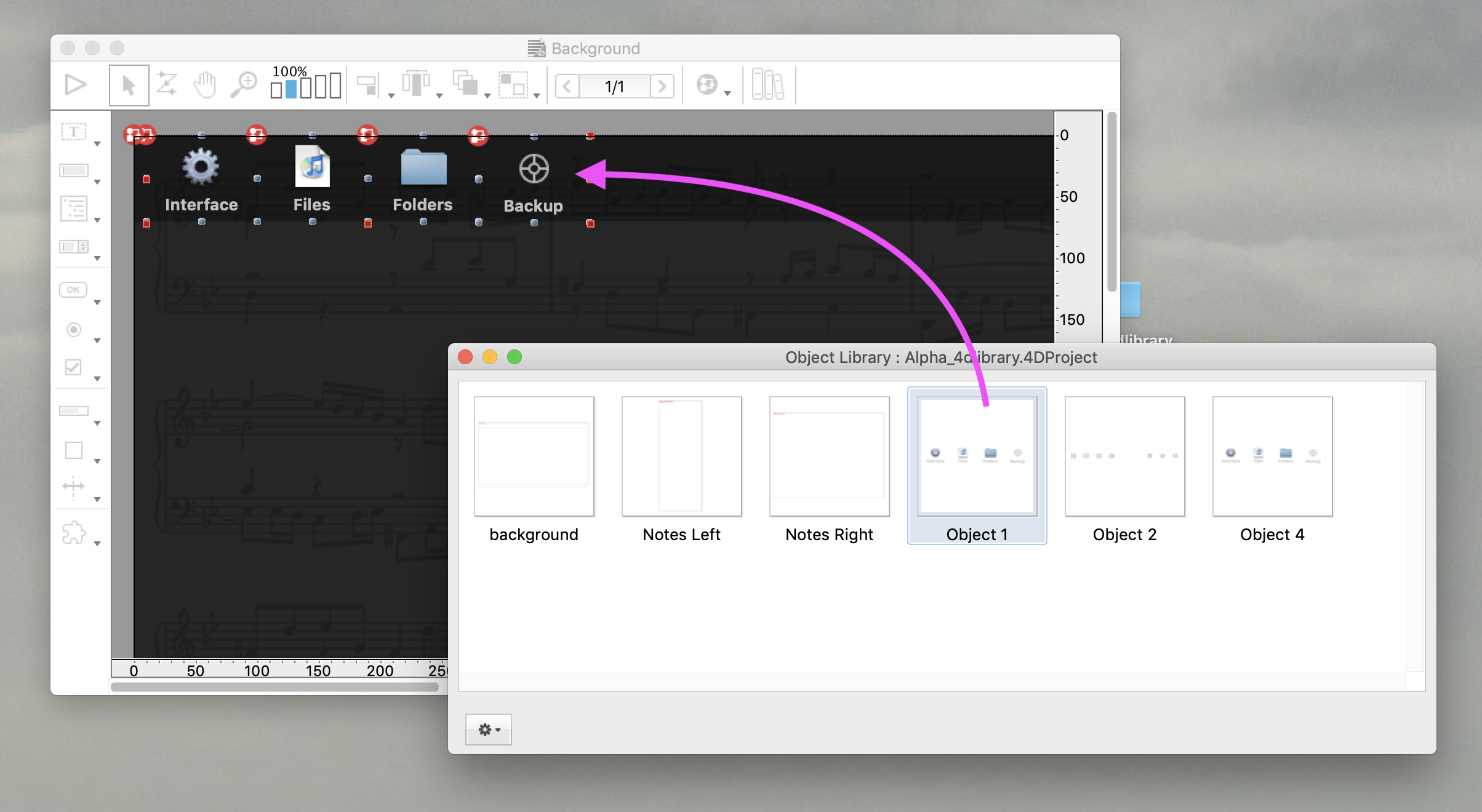
4D provides libraries to help you develop applications. One of these libraries is standard and contains preconfigured form objects and widgets, while ...

Have you ever needed to use methods with both thread-safe and not thread-safe calls, with conditions that skip over commands that are not thread-safe?...

Before exchanging files (by email for example), we often compress them to reduce their size before transmitting them. With 4D v18, you can compress an...

As of 4D v18, a new set of 4D View Pro form events are available. They return special information that can be accessed with the new FORM Event command...


As you may already know, the Form event command identifies the type of form event that has just occurred. It's typically used within a form or object ...

Sometimes you want to write code being able to work with different variable types, this is especially true for generic coding. Using pointers can make...
Got a question, suggestion or just want to get in touch with the 4D bloggers? Drop us a line!
* Your privacy is very important to us. Please click here to view our Policy