
Project Databases: Method documentation is back
When developing an application, it can be very useful to have quick access to the details of a method (e.g., an explanation of what it does, its synta...

June 1, 2020
1 min read
Build better 4D applications with practical patterns and technical deep dives from our blog.

When developing an application, it can be very useful to have quick access to the details of a method (e.g., an explanation of what it does, its synta...

In a previous R-release, we added two new automatic themes to define font and the font size, so there are three automatic themes at your disposal whic...
How many times have you gotten the "Not supported value type in a shared object" error when trying to put an object into a shared object? What did yo...


XPath is a language allowing you to easily work with your XML documents. It's already usable via the DOM Find XML element command and with 4D v18 R3, ...


You've probably used the LISTBOX SELECT ROW command many times, looping through each entity in order to select the rows for an entity selection. 4D v...
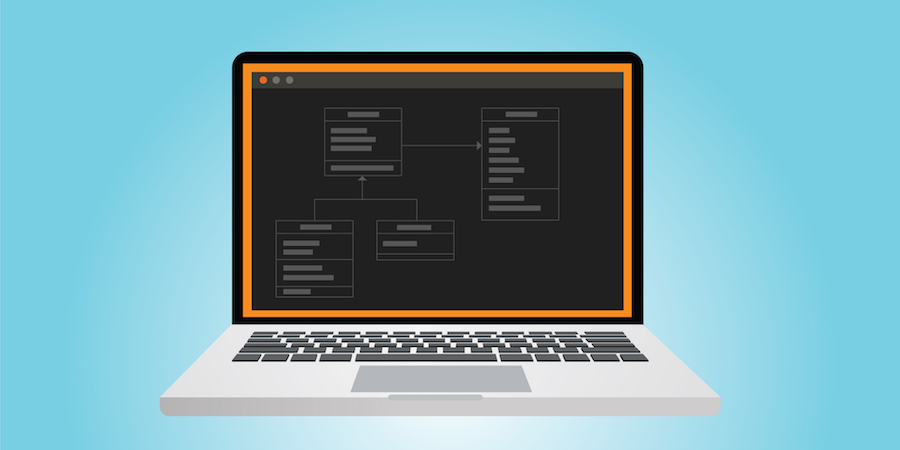
In a previous blog post, we introduced a very important concept in object-oriented programming: Classes. Now we'll go through another core concept: In...

When it comes to ORDA, 4D v18 R3 is full of good news! New member methods are at your disposal to further enhance your coding experience. For starter...

Many of you have have been asking to be able to define an object type ever since the Object type became available. Thanks to object notation, many of ...

One of the most interesting features delivered with 4D v18 was remote datastores. They opened a whole world of possibilities and in this blog post we'...

In 2017, 4D initiated a new program to share the source code of 4D internal components to 4D Partners. Sharing the source code of 4D components lets ...
Got a question, suggestion or just want to get in touch with the 4D bloggers? Drop us a line!
* Your privacy is very important to us. Please click here to view our Policy