
Forget server-side wrappers, use 4D Sessions from the client
Enhance your end users' experience in client-server applications by taking advantage of 4D sessions. Native and automatically created as soon as a use...

April 30, 2026
1 min read
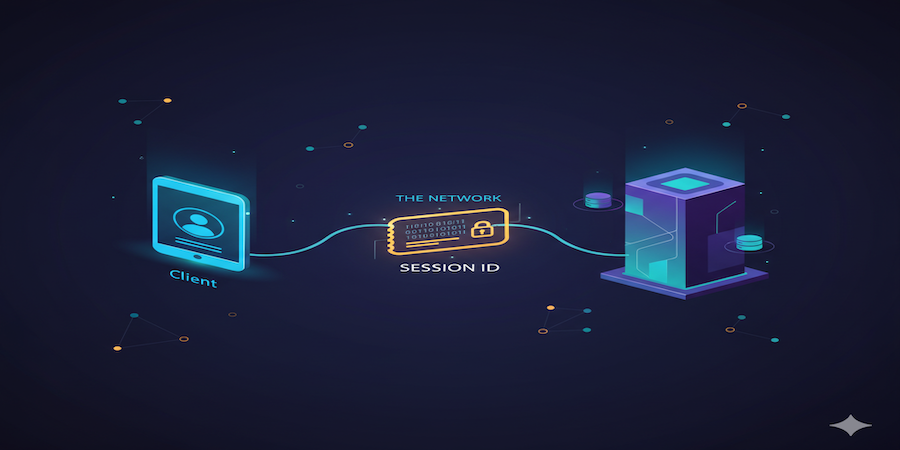
Enhance your end users' experience in client-server applications by taking advantage of 4D sessions. Native and automatically created as soon as a use...

In client-server mode, your logic often requires resources hosted on the server. To run code on the server, you are used to writing dedicated project ...

With 4D 21, a new opportunity opens up: seamlessly embed a Qodly page inside a web area on a 4D form with no additional 4D Client license required. Po...

Since the introduction of scalable sessions, server-side session management has become an important component of modern 4D architectures. These sessio...


You can store information in the storage of various session types, such as Client/Server, Web, or Mobile, allowing for easy reuse across different pro...
To handle the communication between 4D Client and 4D Server, 4D proposes 3 different network layers: Legacy, ServerNet, and QUIC. The Legac...


In 4D applications, four types of sessions exist 4D Remote session, Stored Procedure session, Mobile session, and Web session. The Session command al...

Introducing the latest iteration of the Build4D component, now accessible on GitHub. In previous blog posts, we discussed the possibilities with a com...

4D uses SSL/TLS to secure client-server communication and HTTP requests. 4D is supporting RSA cryptography since more than a decade and with 4D v20R4 ...

ORDA/REST performance is a strategic matter; that's why we shipped many features related to this topic, such as the ORDA/REST request optimization in ...
Got a question, suggestion or just want to get in touch with the 4D bloggers? Drop us a line!
* Your privacy is very important to us. Please click here to view our Policy