
Introducing Session Singletons
Singletons have been one of the standout features of 4D 20 R5. Previously, developers could leverage two types of singletons: the process singleto...

November 14, 2024
1 min read
Build better 4D applications with practical patterns and technical deep dives from our blog.

Singletons have been one of the standout features of 4D 20 R5. Previously, developers could leverage two types of singletons: the process singleto...

With 4D 20 R7 you can say goodbye to "Compiler_" methods and embrace more freedom in how and where you declare your variables. Save time by staying fo...


For many versions, the "Blank if null" property has been available for "time" type zones, whether for input or display. However, it was not previously...


Managing processes and sessions is essential for optimizing and monitoring your 4D applications. You can easily manipulate and retrieve crucial inform...


We’re excited to introduce a major enhancement in the 4D Project Dependencies interface, available in 4D 20 R7, making managing both local and GitHub ...


We are excited to announce a new feature that will enhance the user experience in multi-window applications in 4D 20 R7. With the introduction of the ...
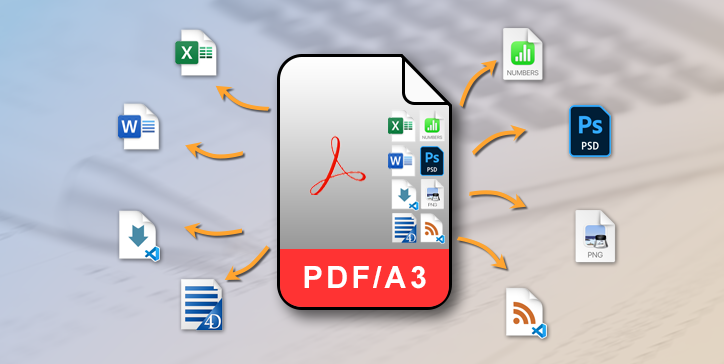
In previous posts, we explored embedding documents within PDF/A-3 files using 4D Write Pro, including generating electronic invoices. As e-invoicing b...

With 4D 20 R5, we released singletons. And with 4D 20 R6, we now allow you to directly call the exposed functions of your shared singletons through RE...

Many 4D developers leverage the power of third-party components found on GitHub, particularly those listed in the 4d-component topic. 4D 20 R6 introdu...

Warnings are a valuable aid for alerting 4D developers to potential code mistakes. With the release of 4D 20 R6, it is now possible to globally define...
Got a question, suggestion or just want to get in touch with the 4D bloggers? Drop us a line!
* Your privacy is very important to us. Please click here to view our Policy