
Power of objects and dot notation
With 4D v17 R5, we showed you how easy it is to manipulate an object to retrieve the attributes of a file or folder. Things have gotten even easier th...

September 3, 2019
1 min read

With 4D v17 R5, we showed you how easy it is to manipulate an object to retrieve the attributes of a file or folder. Things have gotten even easier th...
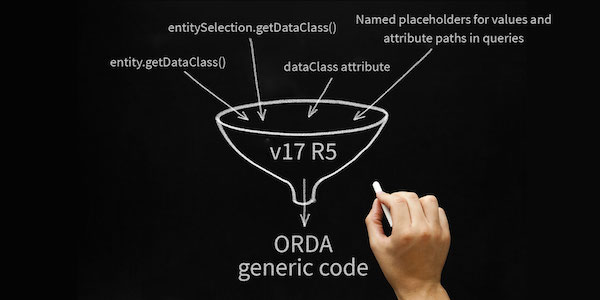
ORDA has its share of features with 4D v17 R5, including various ways to write generic code. Writing generic code allows you to centralize your code ...


View settings are used to define how a 4D Write Pro document should be displayed. Until 4D v17 R5, these settings could only be modified using the con...


Using ORDA to access large tables (especially those with relations) in Client/Server mode has been greatly enhanced. With 4D v17 R5, you’ll see 2-3xs ...


A shout out to everyone using 4D Write Pro and letting us know your thoughts about the product. This lets us better understand your needs and difficul...


"How can I know the dataClass of an entity? I need it to write generic methods". "I need information about a field in a dataClass: what is its type? I...

You asked for more information about web processes to better identify requests that might be slowing down or blocking your server. We heard you and in...


The ORDA features keep coming with 4D v17 R5! In a previous blog post, we showed you how to create generic queries with named placeholders for values....

As a 4D developer you often need to manage end users with your own directory system. For internal users, you might create a few profiles with differen...

4D Write Pro documents can be displayed in different modes (draft, page and embedded), each with their own viewing options. For example in Page view m...
Got a question, suggestion or just want to get in touch with the 4D bloggers? Drop us a line!
* Your privacy is very important to us. Please click here to view our Policy