
Enhanced Session Storage Access
You can store information in the storage of various session types, such as Client/Server, Web, or Mobile, allowing for easy reuse across different pro...

July 17, 2024
1 min read

You can store information in the storage of various session types, such as Client/Server, Web, or Mobile, allowing for easy reuse across different pro...

In 4D 19 R6, we introduced HTTP classes to modernize syntax and enhance functionalities for our HTTP client commands. Building on this foundation, 4D ...


In 4D applications, four types of sessions exist 4D Remote session, Stored Procedure session, Mobile session, and Web session. The Session command al...

Customizing WebSocket client headers lets you inject specific information, preferences, or requirements into the WebSocket connection establishment pr...


In today's interconnected world, the need for real-time updates is paramount for websites and IoT applications. A way to deliver information instantl...

In an increasingly connected world, websites or IoT applications must be updated in real-time. A way to deliver information instantly to your sites i...
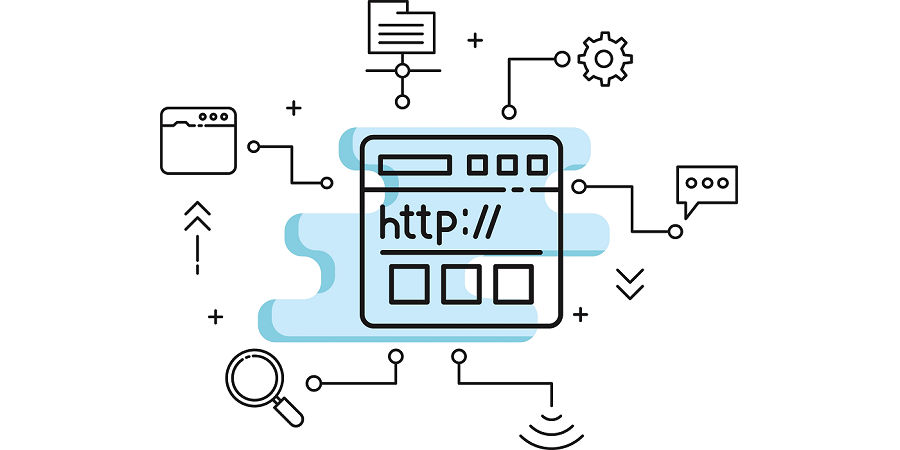
With 4D v19R6, we brought you a new way to perform HTTP requests: HTTP classes. At that time, some of the HTTP classes functionalities were not final,...

The File and Folder commands, which appeared in 4D v17 R5, enable you to manage folders and files on disk in a modern and efficient way. When it come...


In our constant effort to improve 4D syntax and functionalities, we have decided to bring you new commands to perform HTTP requests in 4D: the HTTP cl...

System Workers might look like LAUNCH EXTERNAL PROCESS — but they're way more powerful. This 15-minute video explains how to use System Workers with ...

Got a question, suggestion or just want to get in touch with the 4D bloggers? Drop us a line!
* Your privacy is very important to us. Please click here to view our Policy