
A better understanding of 4D REST sessions
In a previous blog post, we showed you how to get started with the 4D REST server. We walked you through different CRUD operations using Postman and p...

April 9, 2020
1 min read

In a previous blog post, we showed you how to get started with the 4D REST server. We walked you through different CRUD operations using Postman and p...
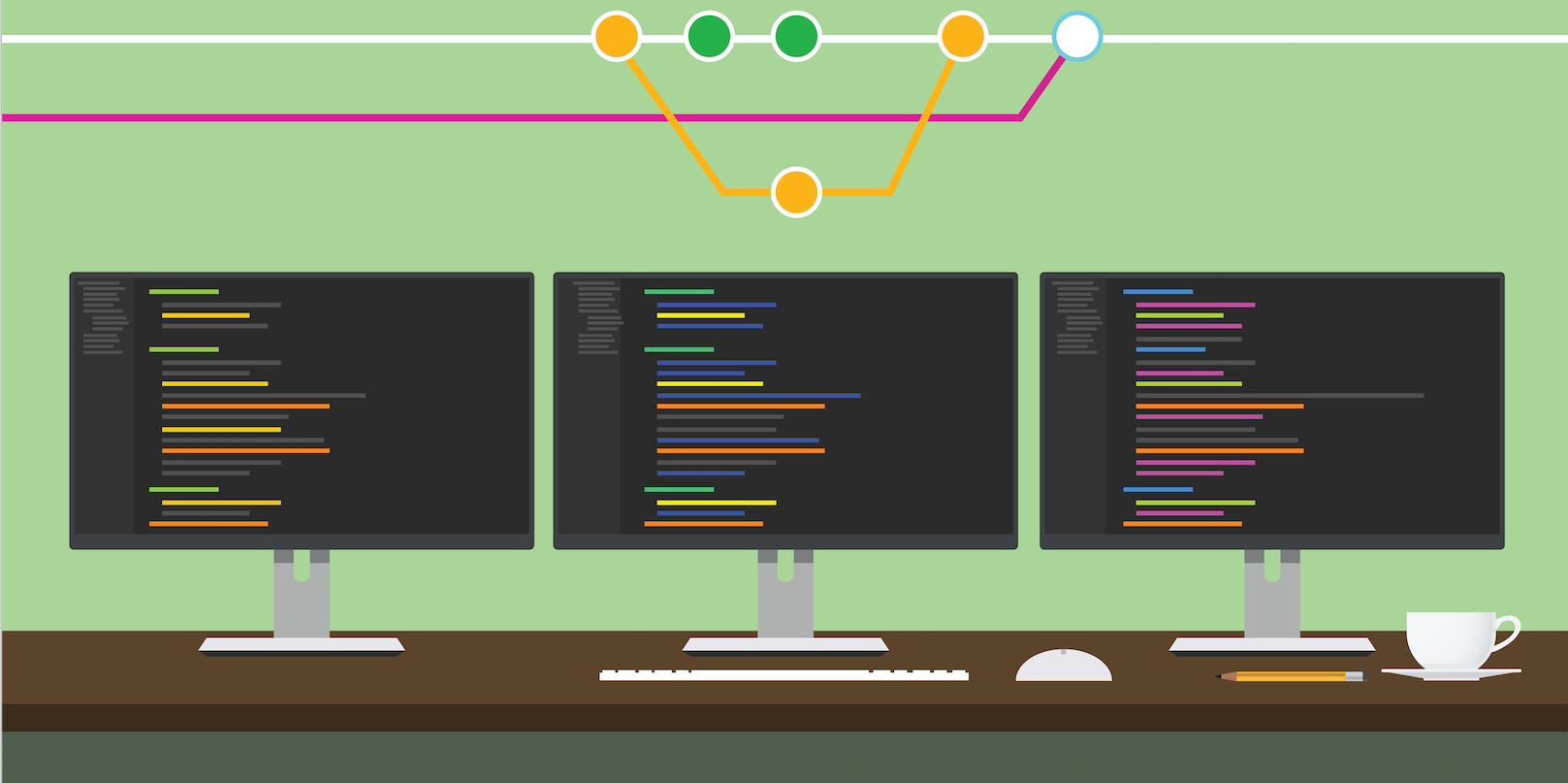
So you’ve been testing out project databases ... maybe you've created one or perhaps you've converted an existing binary application. Now, it’s time f...

PROCESS 4D TAGS has been enhanced with each 4D version and the latest additions as 4DCODE have drastically increased the use cases. What was previousl...

Wondering how to create a nice and dynamic user interface? Typically when a form is resized, the form objects whose horizontal sizing or vertical sizi...


Before exchanging files (by email for example), we often compress them to reduce their size before transmitting them. With 4D v18, you can compress an...


As you may already know, the Form event command identifies the type of form event that has just occurred. It's typically used within a form or object ...

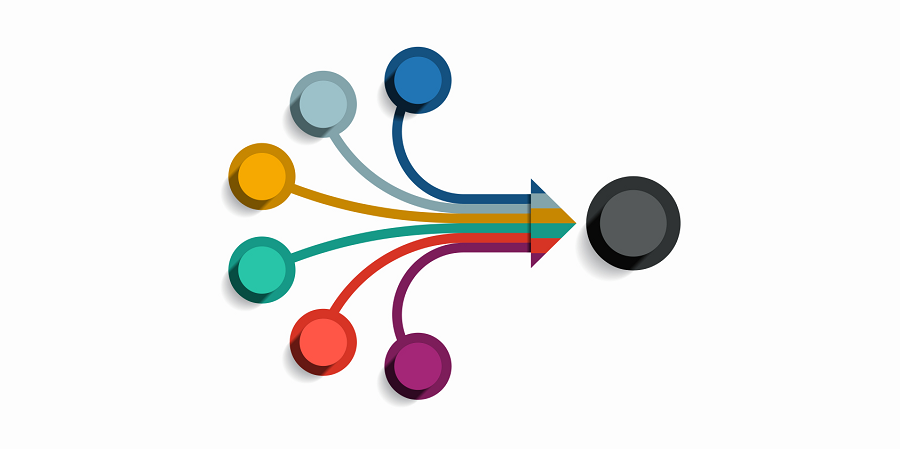
Sometimes you want to write code being able to work with different variable types, this is especially true for generic coding. Using pointers can make...

We've got an exciting new feature to announce in 4D v18 and the title may have already given you a hint! This feature opens new possibilities for cli...


Improved and simplified 4D commands just keep coming. Now you can set colors in your form objects using CSS strings instead of numeric values. Previou...

With 4D v17 R5, we've improved the debug logs by adding methods and allowing each process to be traced independently. With this R-release, we've gone ...
Got a question, suggestion or just want to get in touch with the 4D bloggers? Drop us a line!
* Your privacy is very important to us. Please click here to view our Policy