
Permissions: Inspect Session Privileges for Easy Debugging
Today, you can benefit from a powerful feature to filter access to data, which is essential for preventing malicious access to your application. This...

July 19, 2024
1 min read

Today, you can benefit from a powerful feature to filter access to data, which is essential for preventing malicious access to your application. This...

Since the embedded web area utilizes CEF as its web browser engine, there have been requests for a method to incorporate additional CEF switches, like...


Some of you may need to manage the display of the connection interface during an OAuth 2.0 connection for design or technical reasons. From 4D 20 R6, ...

We've all been there. You build a beautiful interface that displays an entity selection for users. They can drop entities to refine their choices, but...

We recently provided a new way of controlling access to the REST API via the privileges and the ds.authentify function: Force Login. This feature offe...


You can store information in the storage of various session types, such as Client/Server, Web, or Mobile, allowing for easy reuse across different pro...

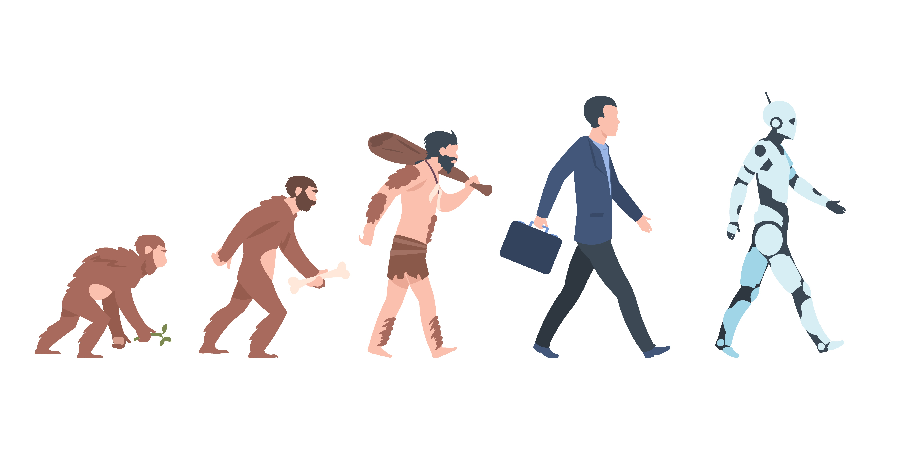
To handle the communication between 4D Client and 4D Server, 4D proposes 3 different network layers: Legacy, ServerNet, and QUIC. The Legac...


In 4D applications, four types of sessions exist 4D Remote session, Stored Procedure session, Mobile session, and Web session. The Session command al...

In 4D 19 R8, we introduced a robust permission system, granting you granular control over user access to your data. This system protects your data dep...
Those of you who have started using Qodly Studio for 4D already know how powerful this new tool is for developing business web applications. If you h...
Got a question, suggestion or just want to get in touch with the 4D bloggers? Drop us a line!
* Your privacy is very important to us. Please click here to view our Policy