
4 different ways to find items in a collection
As a developer, you often need to know whether a specified item already exists in a collection, or to find all the items corresponding to particular c...

March 6, 2018
1 min read

As a developer, you often need to know whether a specified item already exists in a collection, or to find all the items corresponding to particular c...

Simplicity is the ultimate sophistication, and with over 40 methods in 4D v16 R6 to manage collections, things are getting much easier for you as a de...
Calculate average, total or price (including tax) are common tasks in any business application. Collections are an easy way to aggregate your data in ...

4D v16 R6 opens a wide range of possibilities to manage collections. Merging two collections into one, cloning or just ordering a collection is as eas...

4D v16 R6 provides advanced capabilities to manipulate collections, thanks to a series of methods to be used with Object Notation. Over 40 methods are...

Objects are great! Their flexibility, combined with speed and elegance, make them a first choice for most developers. Using dates inside objects is no...

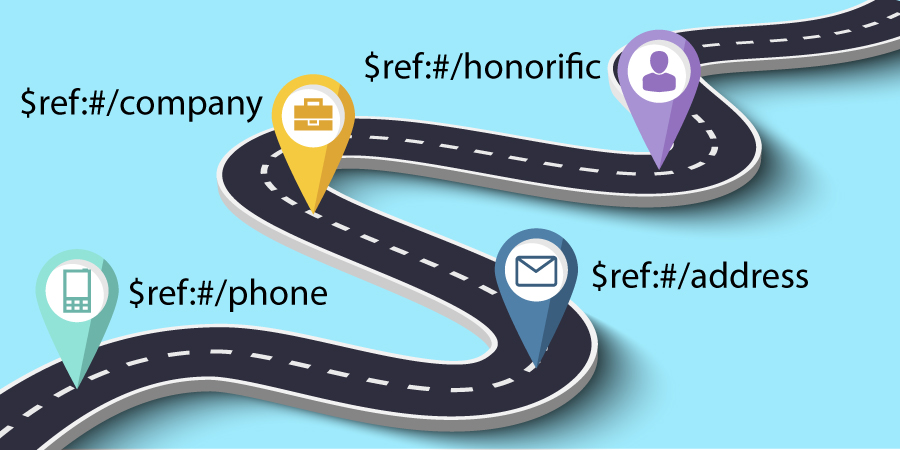
In 4D v16 R4, we enriched object commands so you can validate JSON objects. 4D v16 R5 is going even further by introducing the support of JSON pointer...


With 4D v16 R4, we introduced Object Notation which is a great enhancement to the 4D language: your code is fast, flexible, efficient and elegant! Thi...

4D v16 R4 introduces a new command: JSON Validate. This command allows you to verify that a JSON document is “valid” according to your JSON schema. Th...

From 4D v16 R4, we have added the support of pictures in object attributes. For example, if you use an object to exchange settings or data between met...
Got a question, suggestion or just want to get in touch with the 4D bloggers? Drop us a line!
* Your privacy is very important to us. Please click here to view our Policy