
Catch Up on Three 4D Webinars You Should Not Miss
If you missed our recent webinars, now is a good time to catch up. These sessions go beyond product overviews. They show practical ways to bring AI, ...

September 29, 2026
1 min read

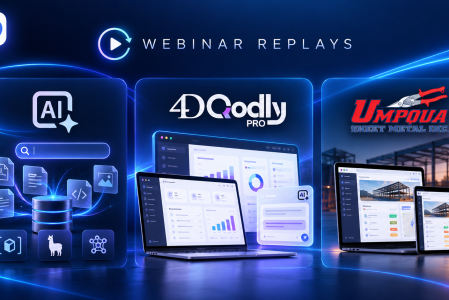
If you missed our recent webinars, now is a good time to catch up. These sessions go beyond product overviews. They show practical ways to bring AI, ...
Beta testing for 4D 21 R4 starts today, bringing more resilient client/server connectivity, local AI writing assistance inside 4D forms, safer cleanup...
4D 21 R3 is now officially available, bringing together a set of improvements that make it easier to build smarter applications, modernize interfaces,...

4D Blog has become much more than a place for product announcements. Over the years, it has grown into a rich library of technical articles, tutorial...
Beta testing for 4D 21 R3 starts today, bringing centralized AI configuration, real time system reactions, modern UI rendering across platforms, and d...
4D 21 R2 is now officially available, bringing together a set of improvements that make it easier to build smarter, more modern applications without c...
Beta testing for 4D 21 R2 starts today, introducing document-aware AI workflows, semantic result ranking, modern Windows UI rendering, and a series of...
4D 21 LTS, the most feature-rich version of 4D to date, is now available. Over the past two years, 4D has moved forward at an exceptional pace. Featu...

As the year comes to a close, we want to wish you a very Happy New Year 2026. This moment between years carries a certain clarity. The pressure eases...

Somewhere between the pumpkins and the glowing screens, in the quiet hum of code and caffeine, something stirs. 4D 21 Beta has risen, bringing with it...
Got a question, suggestion or just want to get in touch with the 4D bloggers? Drop us a line!
* Your privacy is very important to us. Please click here to view our Policy